Do Japanese citizens need a visa for Morocco?
No. Japanese passport holders can visit Morocco without a visa for up to 90 days for tourism. Your passport should be valid for at least six months and have a blank page. More: visa and entry requirements.
Flights from Japan
There is no nonstop flight. The most convenient routes from Tokyo (Narita, Haneda) and Osaka (Kansai):
| Via | Airlines | Total travel time |
|---|---|---|
| Doha | Qatar Airways | about 22–24 hours to Casablanca |
| Dubai | Emirates | about 21–24 hours to Casablanca |
| Istanbul | Turkish Airlines | about 20–22 hours to Casablanca or Marrakech |
| Paris / Frankfurt | Air France, Lufthansa, JAL/ANA partners | about 20–24 hours to Marrakech or Casablanca |
Open-jaw tickets (into Casablanca, out of Marrakech) save time.
Time difference
Morocco (GMT+1) is 8 hours behind Japan (9 hours during Ramadan, when Morocco returns to GMT). Allow a day to adjust before long drives.
Money: yen and dirhams
- About ¥1,000 = 62 dirhams (MAD), or 100 MAD ≈ ¥1,600, in October 2026.
- Yen are hard to exchange in Morocco: bring euros or US dollars, or withdraw dirhams from ATMs with a Visa or Mastercard. JCB acceptance is limited.
- Morocco runs on cash in medinas, taxis and markets. Tipping is expected — unlike in Japan: about 10% in restaurants, small change for porters and attendants. Bargaining is normal in souks. See money and tipping.
Plugs and phones
Moroccan sockets are type C/E at 220 V. Japanese type A plugs need an adapter, and devices must accept 220 V (check for "100–240 V"); 100 V-only appliances need a transformer. Buy a local SIM or eSIM for data (guide).
Cultural differences worth knowing
- Touts and persistence: in souks, people will approach you to sell or guide. A firm, polite "la, shukran" (no, thank you) is enough. See safety and etiquette.
- Prices are often not displayed: ask before you order a service and agree the price of taxis without meters.
- Toilets: bring tissues and hand gel; public toilets are basic.
- Food hygiene: busy stalls with hot food are fine; drink bottled water.
- Photography: ask before photographing people.
Places Japanese travellers love
| Place | Why go |
|---|---|
| Chefchaouen | The blue town, calm and photogenic |
| Merzouga | Sunrise on the Sahara dunes, a night in a desert camp |
| Fez | A living medieval medina and its tanneries |
| Marrakech | Gardens such as Jardin Majorelle, palaces and Jemaa el-Fna |
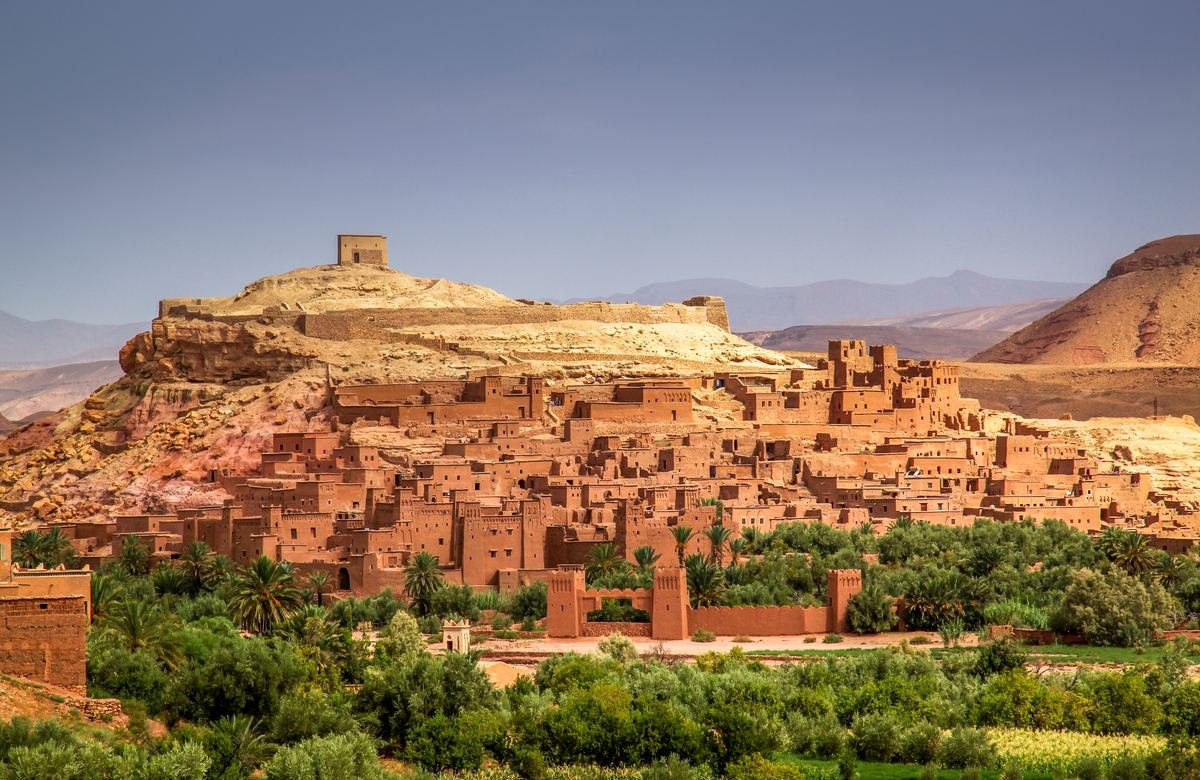
| Aït Benhaddou | The UNESCO-listed earthen village used in many films |
Best time to go
March–May and October–November are ideal. Golden Week (late April–early May) is a good time weather-wise; book early. Summer is very hot inland; the New Year period is sunny but cold in the desert at night. See weather by month.
Insurance and consular help
Take travel insurance with medical cover; clinics may ask for payment upfront (health and insurance). The Embassy of Japan is in Rabat. Emergency numbers: 19 police, 15 ambulance.
Suggested trip
For 10 days: Casablanca → Chefchaouen → Fez → Merzouga → Marrakech — see our 10-day itinerary and our Chefchaouen guide.
Frequently asked questions
Do Japanese citizens need a visa for Morocco?
No. Japanese passport holders can stay up to 90 days as tourists without a visa.
Is there a direct flight from Japan to Morocco?
No. The usual routes connect via Doha, Dubai, Istanbul, Paris or Frankfurt, taking about 20–24 hours.
Do I need to tip in Morocco?
Yes. Tipping is customary: about 10% in restaurants and small amounts for porters, guides and drivers.
What is the time difference between Japan and Morocco?
Morocco is eight hours behind Japan, and nine hours behind during Ramadan.
This guide was last reviewed in October 2026. Entry rules, opening hours, transport timetables and prices change; check official sources shortly before you travel. Spotted something out of date? Tell us.