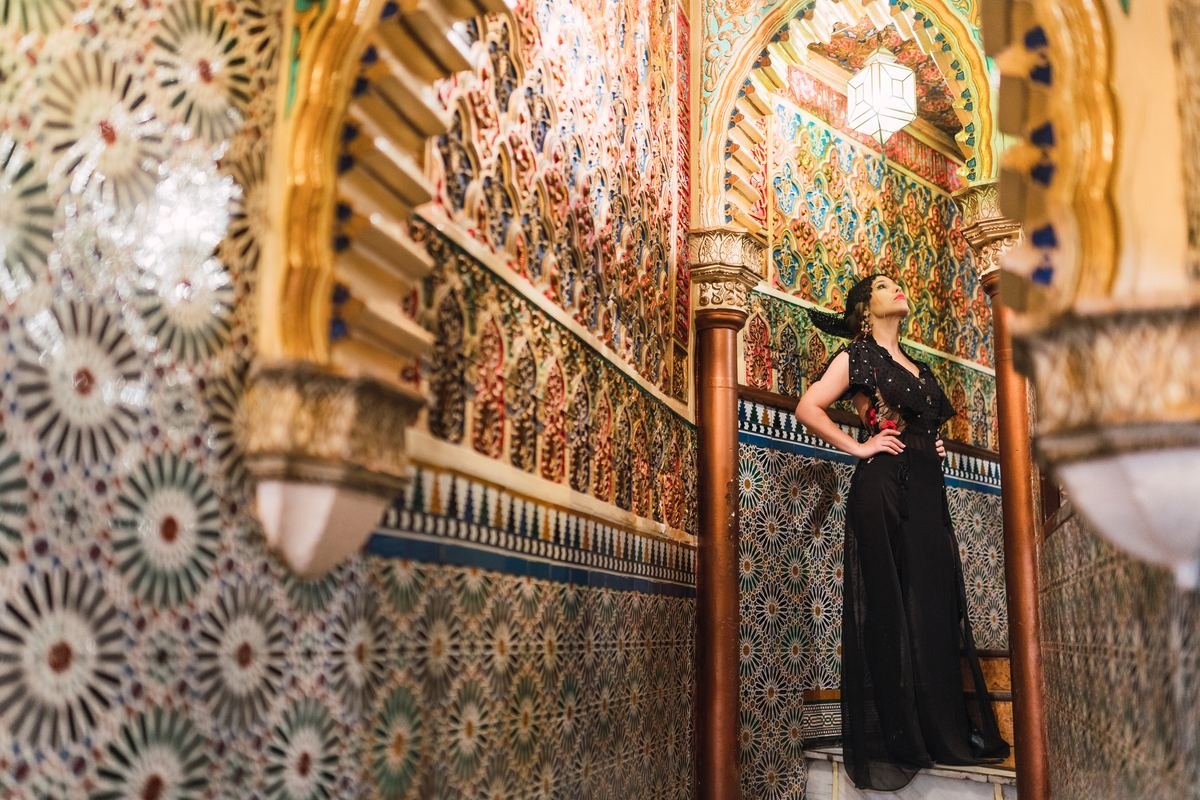
Five layers you will meet on any trip
The 2011 constitution describes Moroccan identity as Arab-Islamic, Amazigh and Saharan-Hassani, enriched by African, Andalusian, Hebrew and Mediterranean influences. A single afternoon in a medina can touch all of them: a Marinid madrasa, a Jewish quarter, a Gnaoua musician and a carpet woven in an Atlas village.
Our in-depth guides take each strand in turn:
- Amazigh (Berber) culture — the languages, the Tifinagh script, Yennayer (the Amazigh New Year, a public holiday since 2024), village life, carpets and silver jewellery, and how to visit mountain communities respectfully.
- Architecture — medinas, riads and dars, zellige and tadelakt, carved cedar and stucco, the madrasas non-Muslims can enter, monumental gates, earthen kasbahs and Casablanca's Art Deco.
- Crafts — leather, pottery, metalwork, woodwork and textiles: how they are made, where workshops still operate and how to judge quality.
- Music — Gnaoua, Andalusian classical music, Amazigh ahwash and ahidous, chaabi, and the festivals worth planning a trip around.
- Souks — how markets are organised by trade, how bargaining actually works, and the weekly rural souks that most visitors never see.
Culture also comes through the senses. Start with our food guide (from tagine and Friday couscous to mint tea), the hammam guide for the weekly bathhouse ritual, and our page on henna and Amazigh traditions.
Etiquette that matters
Morocco is used to visitors and rarely expects perfection. A few habits, however, make a real difference to how you are received.
Dress. There is no legal dress code, but modest clothing is the norm outside beach resorts. Covering shoulders and knees works everywhere for men and women; loose trousers, midi skirts and a light scarf are practical in medinas and essential in villages. Dress is more relaxed in Marrakech's Gueliz or Casablanca's Maarif, more conservative in small towns and the mountains.
Photos. Always ask before photographing a person, and accept a no. Women in rural areas very often decline. Performers in Jemaa el-Fna, water-sellers and snake charmers expect payment (approx. 10–20 MAD) once you have taken a picture, so agree before raising the camera. Do not photograph police, military sites or the royal palaces' guards.
Mosques. With very few exceptions, non-Muslims may not enter active mosques in Morocco. The notable exception is the Hassan II Mosque in Casablanca, which offers guided tours (140 MAD for foreign adults in 2026). Several historic madrasas, mausoleums and tombs are open to all; our architecture guide lists them. Do not linger in mosque doorways or photograph worshippers.
Friday. Friday is the main prayer day. Around the midday prayer (roughly 12:30–14:30), many shops in the medina close, taxis are scarce and some monuments shorten their hours. It is also the traditional day for family couscous, which makes Friday lunch a good time to try it at a riad or a homestay.
Ramadan. During the month of fasting, Muslims abstain from food, drink and smoking from dawn to sunset. Visitors are not expected to fast, but eating, drinking or smoking openly in the street during daylight is impolite. Many cafés close by day, alcohol sales are restricted, and cities come alive after the sunset meal, ftour, often with harira and chebakia. Ramadan 2027 is expected to begin around the second week of February, depending on the moon sighting. See our Ramadan travel guide.
Small courtesies. Greet before you ask (salam alaikum; see our language guide), eat with your right hand, accept a glass of tea, and remove your shoes in a home.
Where to experience it
| City or region | Best for | Highlights |
|---|---|---|
| Fez | Crafts, madrasas, Andalusian music | Bou Inania and Al-Attarine madrasas, Seffarine metalworkers, Chouara tannery |
| Marrakech | Souks, street performance, riads | Jemaa el-Fna at dusk, Ben Youssef Madrasa, Mouassine souks, Berber arts museum at Jardin Majorelle |
| Atlas Mountains | Amazigh village life | Imlil and the Toubkal valleys, Ait Bouguemez, weekly village souks |
| Ouarzazate and the south | Earthen architecture | Ait Benhaddou, Taourirt Kasbah, the kasbahs of Skoura and the Dades valley |
| Essaouira | Gnaoua music, woodwork | Gnaoua World Music Festival (usually June), thuya-wood workshops by the ramparts |
| Casablanca | Modern Morocco, Art Deco | Hassan II Mosque, Boulevard Mohammed V, the Habous quarter |
| Rabat | History, calm medina | Kasbah des Oudayas, Hassan Tower, Chellah |
| Chefchaouen | Rif traditions, weaving | Blue medina, wool blankets and Rif-style hats |
| Merzouga | Saharan and Gnaoua culture | Khamlia village music, desert camps |
| Tangier | Mediterranean crossroads | Kasbah, the old American Legation, café culture |
For a route that strings several of these together, see the 7-day and 10-day itineraries. Hands-on options, from a tagine cooking class to a mosaic workshop, are listed on the experiences page.
Frequently asked questions
What should tourists wear in Morocco?
Clothing that covers the shoulders and knees is appropriate everywhere and attracts less attention. Women do not need to cover their hair, though a scarf is useful in rural areas and for sun.
Can non-Muslims visit mosques in Morocco?
Generally no. The Hassan II Mosque in Casablanca is the main exception, with guided tours; madrasas such as Ben Youssef and Bou Inania are also open.
Is it rude to take photos of people in Morocco?
Photographing people without permission is considered rude, and many Moroccans, especially women and older people, prefer not to be photographed. Ask first, and expect to pay street performers.
Is Morocco a good place to visit during Ramadan?
Yes, if you adapt. Sights stay open with shorter hours, evenings are festive, and some restaurants close by day.
Are Moroccans Arab or Berber?
Both, and the line is blurred. Many Moroccans have mixed Arab and Amazigh ancestry, and around a quarter of the population speaks an Amazigh language daily, according to the 2024 census.
Related: Amazigh culture · Architecture · Souks · Ramadan travel guide
This guide was last reviewed in November 2026. Entry rules, opening hours, transport timetables and prices change; check official sources shortly before you travel. Spotted something out of date? Tell us.