Why take a workshop rather than just shop
Watching an artisan at work for ten minutes before being steered towards a showroom is the standard souk experience. A workshop is different: you sit at the bench, use the tools, and learn why a hand-cut tile or hand-knotted rug costs what it does. That makes you a better-informed buyer and puts money directly into the artisan's hands.
Workshops also explain the division of labour behind Moroccan crafts. A zellige panel, a leather bag or a carpet passes through several specialists, and seeing just one stage makes the whole chain easier to understand.
Craft by craft: what a workshop involves
Zellige mosaic (Fez)
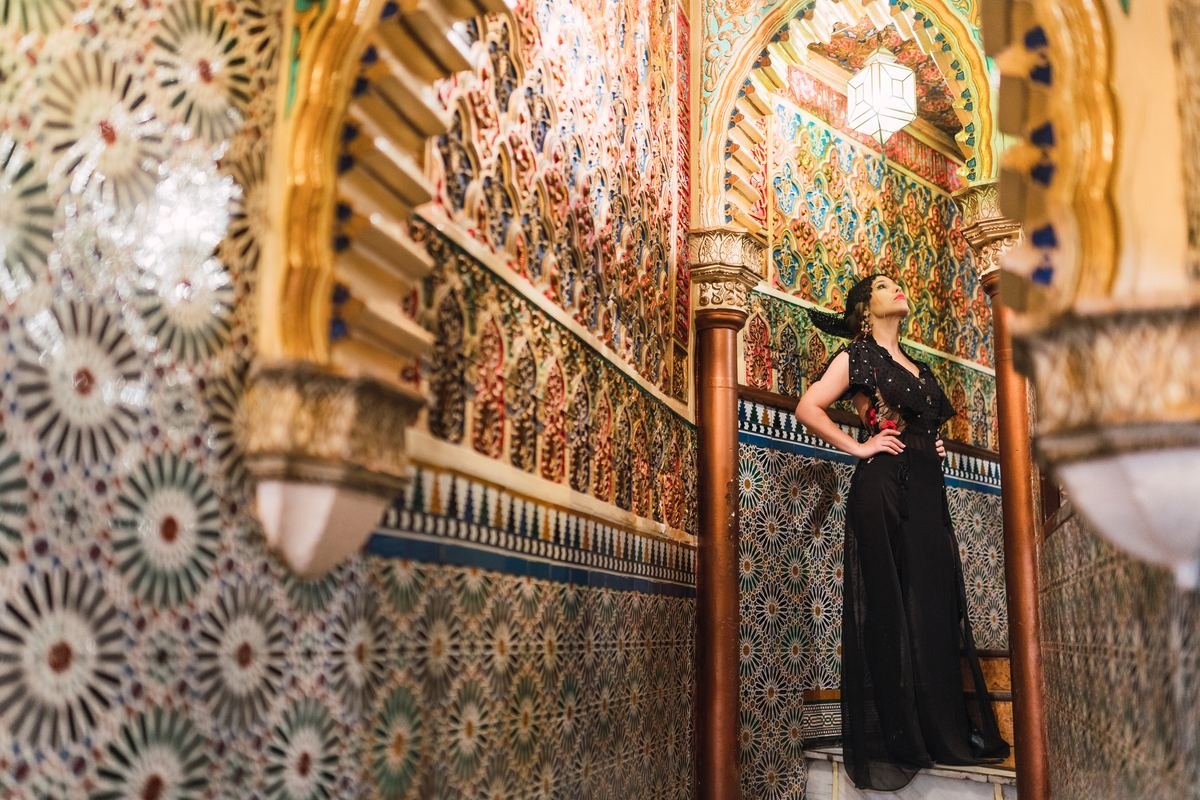
Zellige is the geometric glazed-tile mosaic that covers fountains, palaces and riad courtyards. Fez is its historic centre, with production workshops on the city outskirts and teaching studios in and around the medina. Tiles are fired in squares, then each small piece is chipped by hand with a sharp hammer (menqach) following a template. Pieces are laid face down in a pattern, backed with mortar and turned over.
In a beginner session of two to four hours you usually cut a few shapes and assemble a small panel, coaster or tile from pre-cut pieces. Expect sore fingers; it is harder than it looks.
Pottery (Safi, Fez, Tamegroute)
- Safi, on the Atlantic coast, is the country's largest pottery centre, with a hill of kilns and workshops. Some potters offer wheel sessions.
- Fez is known for its cobalt-blue painted ceramics; workshops focus on painting traditional motifs on bisque-fired pieces.
- Tamegroute, in the Draa valley south of Zagora, produces distinctive green-glazed pottery fired in wood kilns, sometimes visited on desert routes.
Wheel throwing takes practice; most visitors produce a slightly lopsided bowl. Your piece usually needs firing, which takes days, so ask whether the workshop can ship it or whether you will paint a pre-fired piece to take with you.
Leather (Fez and Marrakech)
The Chouara tannery in Fez and the tanneries near Bab Debbagh in Marrakech are where hides are cleaned and dyed in stone vats. Tanneries are viewed from surrounding terraces, which are almost always attached to leather shops. A genuine leather workshop is a separate thing: in a small atelier you cut, stitch and finish a simple item such as a card holder, wallet or pair of babouche slippers under the guidance of a leatherworker. Sessions run two to four hours.
Weaving and carpets (Amazigh cooperatives)
Carpet weaving is mostly done by Amazigh women, at home or in cooperatives in the Middle and High Atlas, the Anti-Atlas and the regions around Taznakht. In a workshop you learn to card and spin wool, see natural dyes and tie a few rows of knots on a loom. A full rug can take weeks or months, so the aim is understanding, not finishing. The Atlas Mountains are the best place to visit cooperatives directly.
Woodwork (Essaouira thuya)
Essaouira is known for marquetry in thuya, a fragrant conifer whose root burl has a dark, swirling grain. Workshops near the ramparts teach basic inlay and polishing on a small box or coaster. Thuya is over-harvested in the surrounding forests; look for workshops that explain their wood sourcing, and favour small items.
Durations and price ranges
Prices are typical ranges checked in October 2026, per person, including materials.
| Workshop | Typical duration | Typical price per person |
|---|---|---|
| Zellige mosaic, Fez | 2–4 hours | approx. 400–900 MAD |
| Pottery painting, Fez | 2–3 hours | approx. 300–600 MAD |
| Pottery wheel, Safi or Fez | 2–3 hours | approx. 350–800 MAD |
| Leather (card holder, slippers) | 2–4 hours | approx. 400–1,000 MAD |
| Weaving introduction, cooperative | 2–3 hours | approx. 250–600 MAD |
| Thuya marquetry, Essaouira | 2–3 hours | approx. 300–700 MAD |
Private sessions cost more; shipping a fired piece abroad is usually extra. See our money guide on paying artisans in cash or by card.
Authentic workshops vs shopping traps
The medinas of Fez and Marrakech have a long tradition of "free visits" that end in a showroom. Signs of a sales tour rather than a workshop:
- Someone in the street offers to show you the tannery or a "Berber festival" today only.
- The "workshop" lasts ten minutes and is followed by mint tea and a long display of goods.
- You are not told the price of the visit up front, but feel obliged to buy.
- Your guide takes you into a shop without asking; guides commonly earn commission on purchases.
Signs of a genuine workshop:
- A fixed, published price and a booking confirmed in advance.
- A named artisan who leads the session and talks about technique, not just products.
- Small groups and time actually spent working with tools.
- No obligation to buy, and a clear answer if you ask whether there is a shop.
It is perfectly polite to say "la, shukran" (no, thank you) and leave. Our safety guide explains common medina approaches.
Fair trade and cooperatives
Morocco has thousands of registered cooperatives, especially in weaving, argan oil and pottery. Buying from a cooperative usually means a larger share of the price reaches the maker, though not every shop with "cooperative" on the sign is one. Ask:
- Who made this, and where? A genuine cooperative can usually tell you the village and often the maker's name.
- How is the price shared? Some cooperatives display prices and explain the maker's share.
- Are the dyes natural? Not essential, but honest sellers will tell you.
State-run Ensemble Artisanal centres in major cities display fixed-price crafts, useful as a reference before bargaining in the souk.
What you can take home
- Your own piece: a small zellige panel, painted bowl, leather card holder or thuya box.
- Tiles: wrapped flat, they travel well in hand luggage; full panels are heavy and need shipping.
- Rugs: many shops ship; ask for a written receipt listing size, origin and price, and check your home country's import duties.
- Leather: good leather smells mildly of hide, not chemicals, and stitching should be even.
Plan packing space with our packing list.
Practical details
- Duration: 2–4 hours for most workshops; a full day if you add travel to a cooperative or to Safi.
- Best time: all year; mornings are cooler in summer, and Friday afternoons are quieter as many workshops close for prayers.
- Price range: approximately 300–1,000 MAD per person depending on craft and group size (checked October 2026).
- Booking ahead: one to three days; more for private sessions or rural cooperatives.
- What to bring: clothes you do not mind marking, closed shoes, cash, and a small box or bubble wrap for fragile pieces.
Combine a workshop with a longer route through Fez and the Atlas using our 7-day itinerary, or see more experiences.
Book a zellige or pottery workshop
These activities are run by local operators and booked through our partner Hayya Morocco. Prices, schedules and availability are shown on their site.


Frequently asked questions
Can beginners take a zellige mosaic workshop?
Yes. Beginner sessions use pre-cut tile pieces and simple patterns, with some hands-on cutting so you understand the technique. No previous craft experience is needed.
Is visiting the Fez tannery free?
Viewing terraces belong to leather shops, and entry is often presented as free, with the expectation that you browse or buy. A small tip to the person who guided you is customary if you do not buy anything.
Can I take my pottery home the same day?
Only if you paint a piece that is already fired, or if the workshop can complete the glaze firing quickly. Thrown pieces need drying and firing over several days, so ask about shipping or collection.
Are children welcome at craft workshops?
Many workshops accept children from about seven or eight, especially for pottery painting and weaving. Zellige cutting uses sharp tools, so ask about age limits.
How do I know a carpet is handmade?
Turn it over: a hand-knotted rug shows individual, slightly irregular knots on the back, matching the pattern on the front. Machine-made rugs have perfectly uniform backs and often a glued or stitched fringe.
This guide was last reviewed in October 2026. Entry rules, opening hours, transport timetables and prices change; check official sources shortly before you travel. Spotted something out of date? Tell us.