The short answer
For a classic first trip combining cities, mountains and desert, the best months are March to May and late September to November. Days are warm and sunny almost everywhere, desert nights are mild, and mountain passes are open.
- Summer (June–August) suits the Atlantic coast and the mountains, but inland cities and the desert are very hot.
- Winter (December–February) is sunny and quiet, good for cities and the desert by day, but nights are cold and the High Atlas has snow.
Weather by region
| Region | Spring (Mar–May) | Summer (Jun–Aug) | Autumn (Sep–Nov) | Winter (Dec–Feb) |
|---|---|---|---|---|
| Marrakech | Warm (24–30 °C), ideal | Very hot (35–42 °C+) | Warm, ideal | Mild days (18–20 °C), cold nights near 5 °C |
| Fez and Meknes | Mild to warm | Hot (often 35 °C+) | Pleasant | Cool, wet, nights near freezing |
| Atlantic coast (Casablanca, Rabat, Essaouira) | Mild, breezy | Warm (24–28 °C), often misty mornings | Mild, sunny | Mild (15–18 °C), rainy spells |
| Agadir and the south coast | Warm | Warm, sunny | Warm | Mild and sunny — a winter sun destination |
| North (Tangier, Chefchaouen) | Mild, green | Warm and pleasant | Mild | Cool, wet, windy |
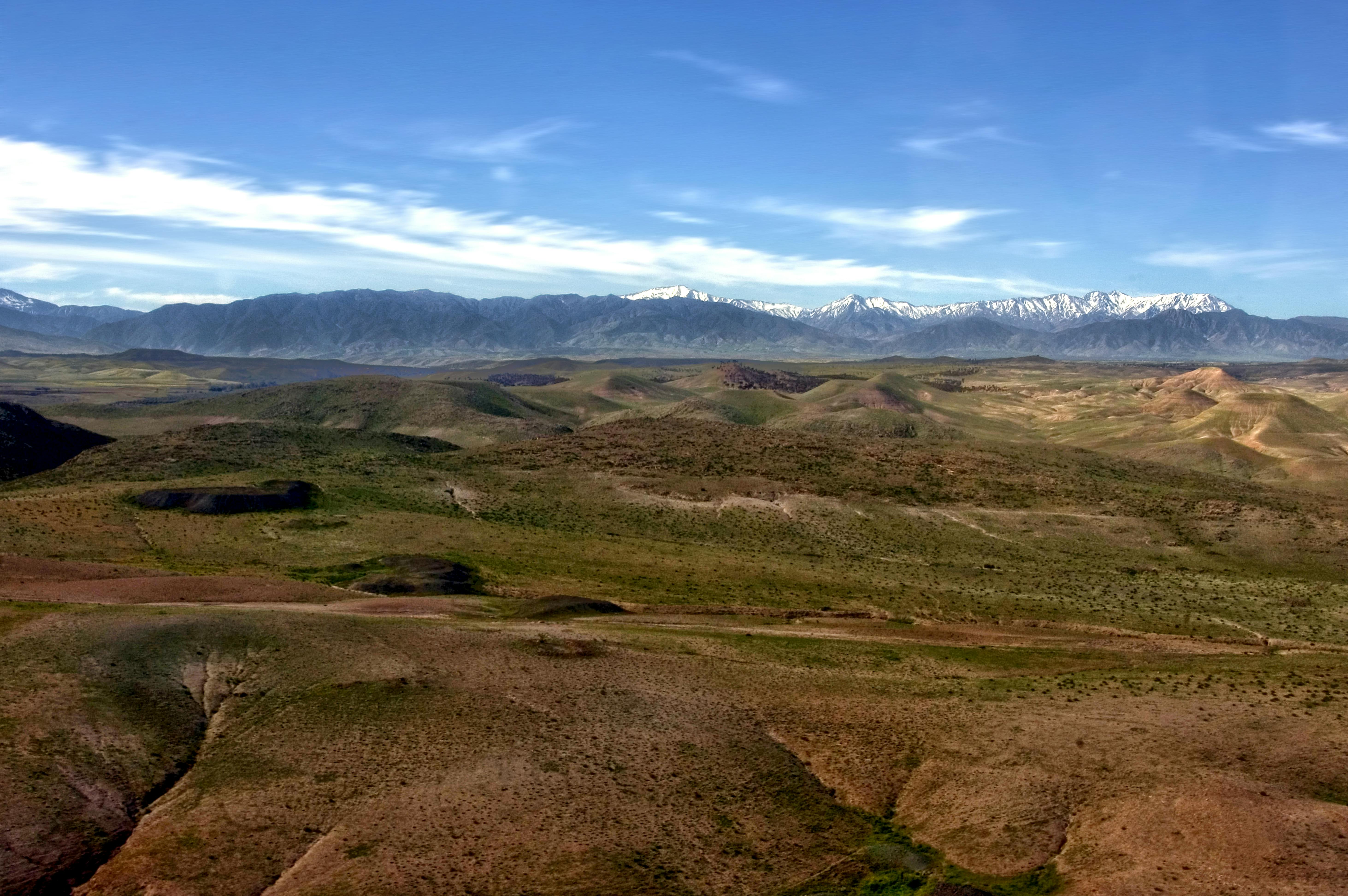
| High Atlas | Snow on peaks until May, valleys green | Warm valleys, cool at altitude | Clear and stable | Snow and freezing temperatures at altitude |
| Sahara (Merzouga, Zagora) | Warm days, possible sandstorms | Extreme heat (40–45 °C+) | Warm days, cool nights | Mild days (around 20 °C), nights near 0 °C |
Temperatures are typical daytime highs; individual years vary, and heatwaves have become more frequent.
Month by month
January and February. Sunny and dry in Marrakech and the south, cold at night. Excellent for the desert during the day. Snow in the Atlas (skiing at Oukaïmeden when conditions allow). Almond blossom begins in the Anti-Atlas around Tafraoute in late January and February.
March and April. One of the best periods. Green countryside, flowers, comfortable temperatures. Easter holidays bring European crowds; book ahead.
May. Warm and still comfortable in most places. The Rose Festival in Kalaat M'Gouna usually takes place in May.
June. Hot inland, pleasant on the coast. The Gnaoua and World Music Festival in Essaouira usually takes place in June.
July and August. Peak heat in Marrakech, Fez and the desert. Moroccan families head to the coast, and coastal towns are busy. Good for High Atlas trekking and Toubkal.
September. Still hot early in the month inland, cooling by the end. Quieter after the summer holidays.
October and November. Excellent across the country. Date harvest in the oases, clear mountain skies, comfortable desert temperatures.
December. Cool and mostly sunny. Christmas and New Year are busy in Marrakech and the desert camps.
Ramadan and religious holidays
Ramadan follows the Islamic lunar calendar and moves about 11 days earlier each year. In 2027 it is expected to begin in early February; exact dates depend on the sighting of the moon and are confirmed only shortly before.
Travelling during Ramadan is perfectly possible. Tourist restaurants and hotels stay open, but many local cafés close during the day, opening hours are shorter, and the country slows down in the afternoon. Evenings are lively and festive. The end of Ramadan, Eid al-Fitr, and Eid al-Adha about two months later are family holidays when transport is packed and many businesses close for several days — book trains and buses well ahead.
Festivals worth planning around
- Fes Festival of World Sacred Music — usually late spring or early summer.
- Gnaoua and World Music Festival, Essaouira — usually June.
- Rose Festival, Kalaat M'Gouna — usually May.
- Imilchil Marriage Festival (Moussem) — usually late August or September in the High Atlas.
- Marrakech International Film Festival — usually late November or early December.
- Erfoud Date Festival — usually October, after the harvest.
Dates change each year; check official festival websites before booking.
What to pack by season
- All year: modest clothing that covers shoulders and knees, comfortable closed walking shoes, sunglasses, sunscreen, a scarf.
- Spring and autumn: light layers plus a warm sweater or fleece for evenings and the desert.
- Summer: light, loose cotton or linen clothing, a wide-brimmed hat, a refillable water bottle.
- Winter: a warm jacket, hat and thermal layers for the desert and mountains — many riads and camps have limited heating.
- Coast: a windproof jacket, especially in Essaouira.
Our recommendations by trip type
| Trip | Best months |
|---|---|
| First trip: cities + desert | March–May, October–November |
| Sahara camp | October–April |
| Toubkal ascent (non-technical) | June–October |
| Beach and surf | June–September (beach), October–April (surf in Taghazout/Imsouane) |
| Winter sun | December–February in Agadir, Marrakech and the south |
| Avoiding crowds | January–February, early December, late November |
Related: Marrakech, Merzouga, Atlas Mountains and our 10-day itinerary.
This guide was last reviewed in October 2026. Entry rules, opening hours, transport timetables and prices change; check official sources shortly before you travel. Spotted something out of date? Tell us.