Craftsmanship
Zellige, pottery, leatherwork, carpets, woodwork and other crafts.
Moroccan architecture is best understood as a layered visual language: medina streets, courtyards, gates, carved plaster, zellige, cedar, kasbah walls and contemporary urban forms.
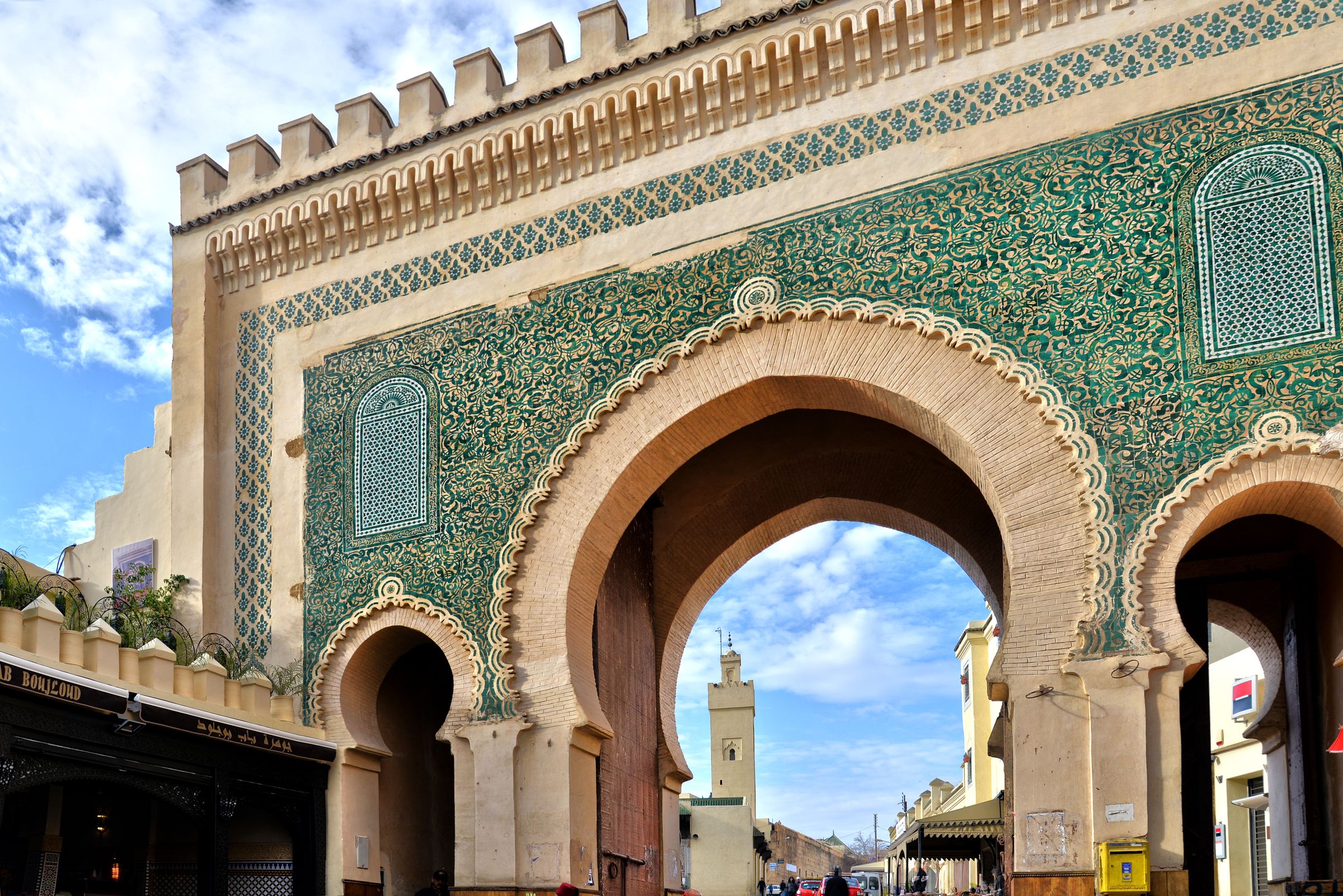
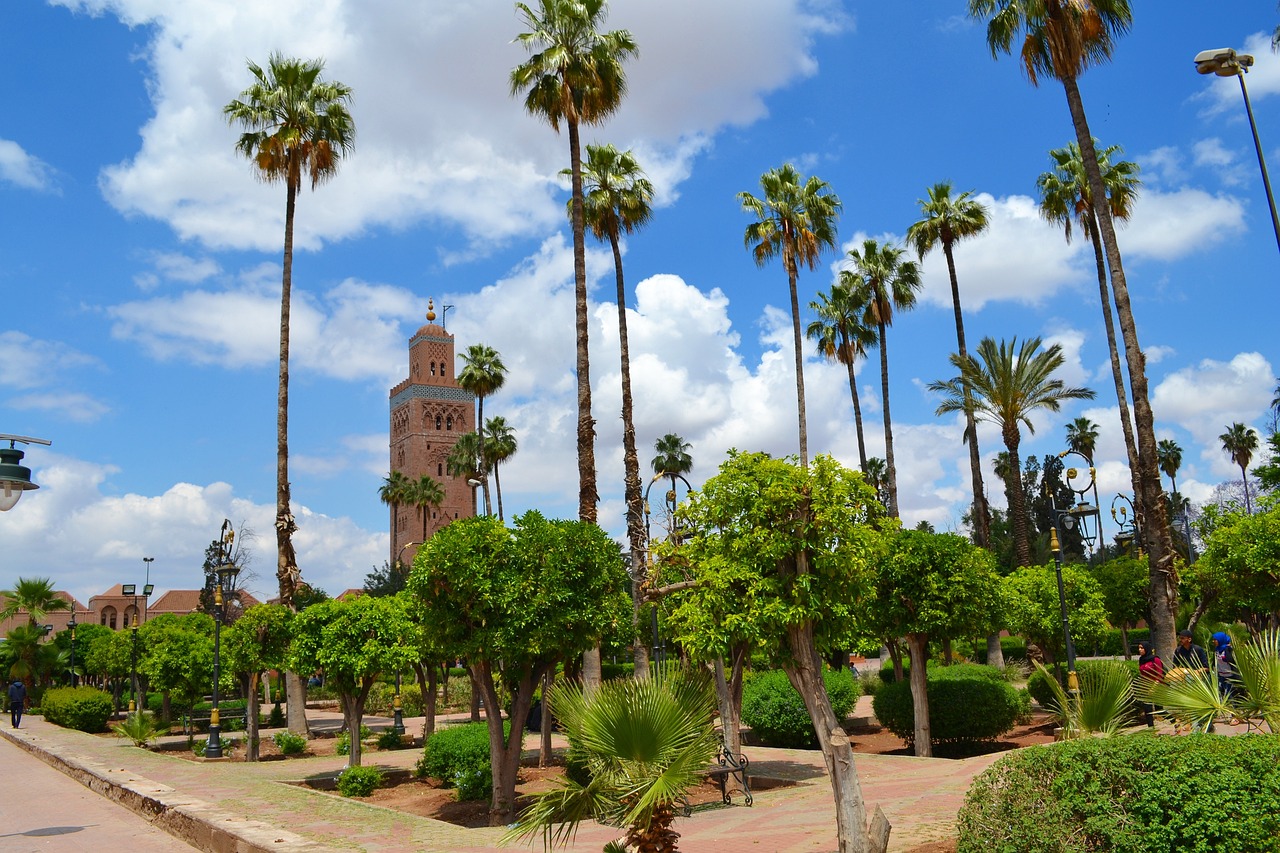
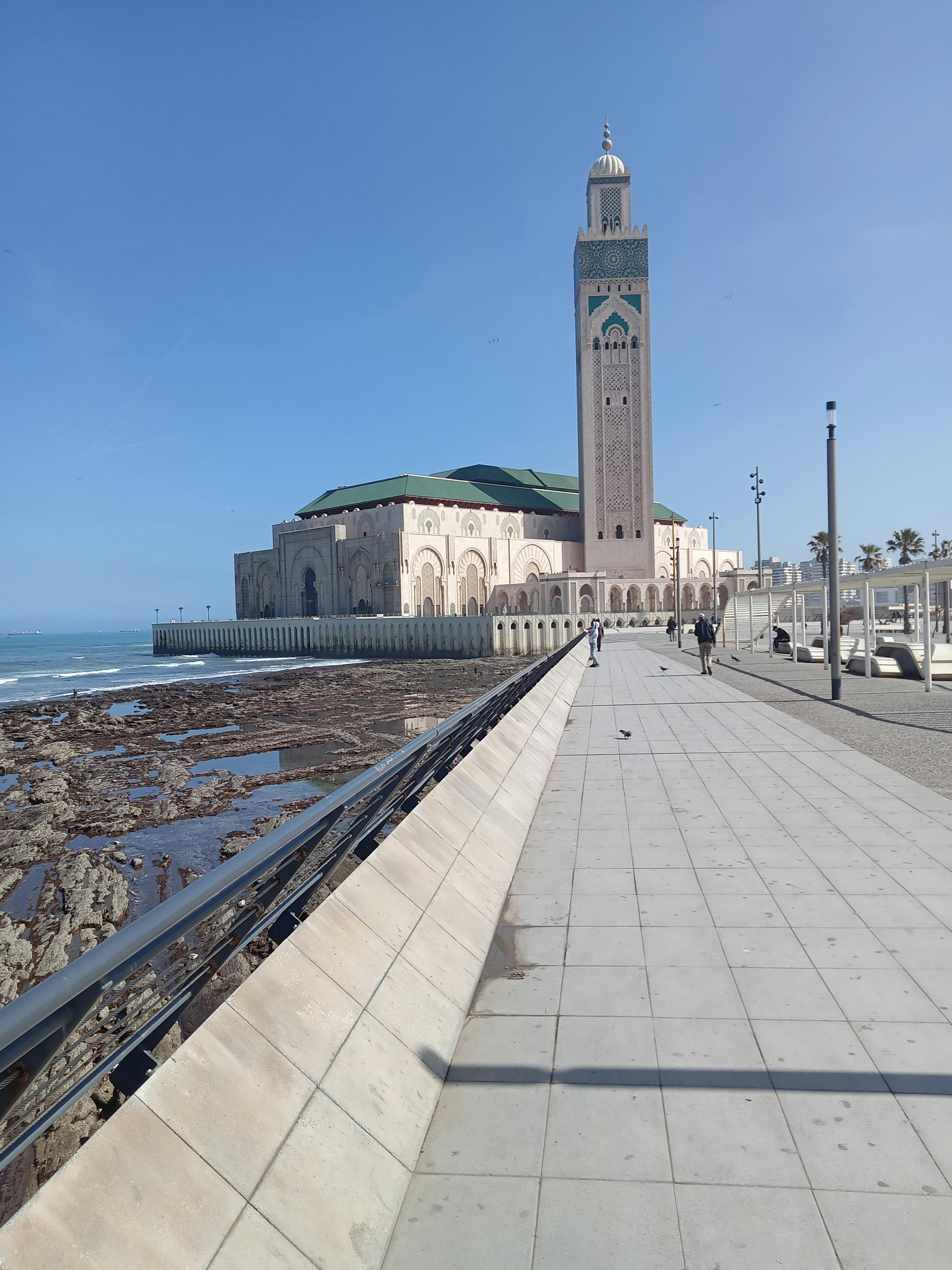
Moroccan architecture is best understood as a layered visual language: medina streets, courtyards, gates, carved plaster, zellige, cedar, kasbah walls and contemporary urban forms.
Read the city at street level; look for relationships between public thresholds, shaded passages, courtyards and decorative craft.
Zellige, pottery, leatherwork, carpets, woodwork and other crafts.
Tea as a familiar element of hospitality and social interaction.
A broad cultural landscape shaped by regional traditions and contemporary expression.
Amazigh languages, cultural traditions, arts and regional identities.
Traditional marketplaces and the craft economies surrounding them.
Moroccan architecture is best read through relationships: threshold, courtyard, shade, ornament, craft and movement. A medina is not only a collection of buildings; it is an urban sequence where streets, doors, riads, fountains and workshops create changing scales of experience.
Look for the transition from public street to quieter courtyard, the geometry of zellige, carved plaster and cedar, and the way light is controlled rather than simply maximised.

Explore the story further
Read this cultural theme alongside places, flavours and experiences that make Morocco tangible.